50 years of the family holiday
 by Educate Magazine January 20, 2025 · All News / Latest Features
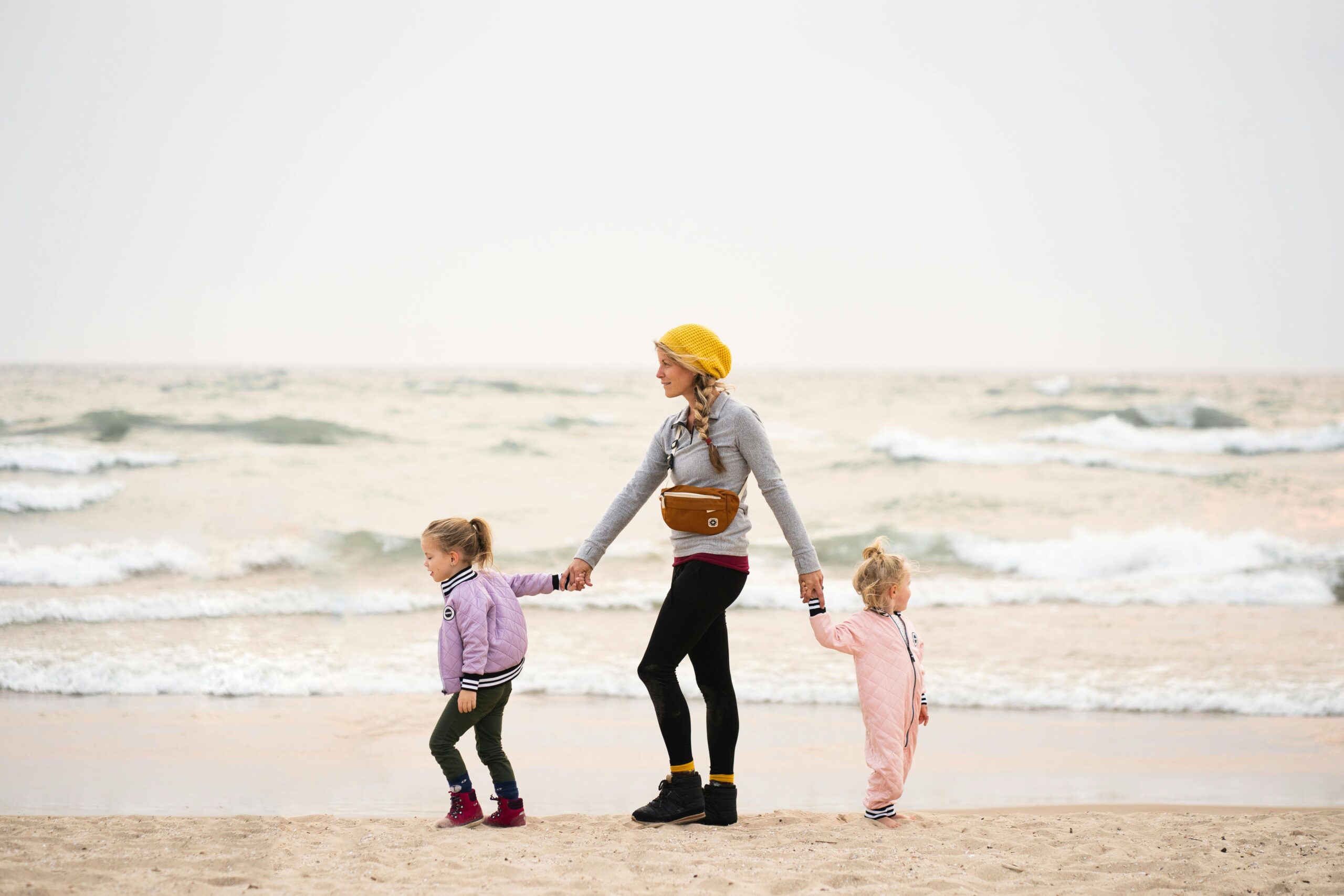
As we begin 2025, we look back at the cultural shift in holiday practices over the past 50 years. It’s no surprise that holidays in 1975 were vastly different from what they are like today. While those from more affluent backgrounds were more likely to travel, nowadays, it is more affordable for people of all backgrounds to take trips abroad.
In the 1970s, only one-third of UK residents had ever travelled abroad. A newspaper article from the mid70s highlights a clear class divide among holidaymakers, noting that ‘the managerial and professional group’ was the largest demographic taking holidays abroad. However, this trend began to shift during the decade.

By the end of the 70s, UK families were spending more on overseas holidays than on domestic ones, according to the Family Holiday Charity.
Holidays are often the last thing people cut back on when trying to reduce spending to cover the cost of living. According to ABTA, The Travel Association’s most recent holiday habits report, only 32 percent of people said they would reduce holiday spending if they needed to save money.
In comparison, more people would cut back on eating out (58 per cent), leisure activities (43 per cent), clothes (43 per cent), and electronic gadgets (36 per cent). This highlights just how important holidays are for many.
A spokesperson from ABTA told Educate: “People really value their holidays and see them as important opportunities to relax and spend time with family and friends.
“Eighty-four percent of people took a holiday over the past 12 months, either at home, abroad, or both, and we know that people are increasingly prioritising spending money on holidays over other things.
“In fact, holidays are the last thing people would cut back on if they had to make savings.”
It is safe to say that demand for holidays has increased significantly from 1975 to the present day. With this cultural shift, it is no surprise that changes have occurred within the school system. In 2013, fines were introduced for school absenteeism.
According to official government guidelines, children are permitted to miss school only in specific instances, such as illness, religious observances, or when parents request permission in advance for exceptional circumstances.
The government states that in the ‘majority of cases,’ schools and local authorities aim to provide support to improve a child’s attendance. However, if these efforts are unsuccessful or the absence is due to an unauthorised term-time holiday, parents may face a fine. As of August 2024, the penalty for each parent is £80, rising to £160 if paid after 21 days but within 28 days. Nearly nine out of 10 fines for unauthorized absences are issued due to term-time holidays.
Under national rules, all schools are required to consider issuing a fine when a child has missed five days of school for unauthorised reasons. Furthermore, if a parent receives a second fine for the same child within a three-year period, it will be charged at the higher rate of £160. Fines per parent are capped at two within any three-year period. Once this limit is reached, alternative actions, such as a parenting order or prosecution, will be considered.
The Department for Education has made it clear that ‘every moment in school counts, and days missed add up quickly’. The chief medical officer of the UK, Professor Chris Whitty, explained to headteachers and trust leaders that ‘school attendance is vital to the life chances of children and young people’.
Pepe Di’Iasio, general secretary of the Association of School and College Leaders (ASCL), told Educate: “Every child should be at school during term time, as any missed learning can have a negative impact on their development and educational attainment.

“Clearly, there needs to be a deterrent to prevent children from missing out on education, but fines, even at the newly increased level, are not working effectively and can cause friction between schools and parents.”
Any money raised through fines is used solely by the school’s local authority to cover the costs of administering the system and to fund attendance support. Any extra money is returned to the government.
Even so, why risk a penalty at all? It’s no secret that holidays taken during term time are cheaper than those taken during the summer holidays. Since the rise of low-budget airline pioneers easyJet and Ryanair in the 90s, the expectation to go on holiday has continued to grow.
We compared prices for one airline and found that for a family of four, a holiday in Tenerife from Liverpool, including flights, hotel, luggage, and transfers, would cost £1,265 in total from 6 May to 13 May at the cheapest price.
From 6 August to 13 August, the cheapest cost would be £2,615. Even if two parents were fined for taking two children on a term-time holiday, the fines would only add up to £640 if paid after 21 days – meaning parents would still be saving money on the overall cost of the holiday.
A mother of three from Liverpool shared her reasons for taking her children out of school during term time, explaining: “For some families, paying the prices charged by airlines during the summer holidays is not possible, especially for those like me with three children.
“As a family, we don’t believe that taking our children out of school a few days before half-term will affect their futures. Instead, we can show them different countries and cultures at an affordable rate.”
Overall, holidays have definitely become an important part of many people’s lives. With some parents still deciding to take their children out for cheaper holidays during term time, the deterrents from the government to combat these absences do not seem very effective.

Pepe Di’Iasio expressed his thoughts, saying: “We would like the government to consider ways in which the gap between the cost of a holiday during term time and one in the school holidays could be reduced.
“Introducing regulation would not be straightforward, but something must be done to ensure parents are able to keep their children in school as well as able to afford the cost of going on holiday.”