Careers Explored: Overhead Linesperson
 by Educate Magazine April 28, 2026 · Careers / Latest Features
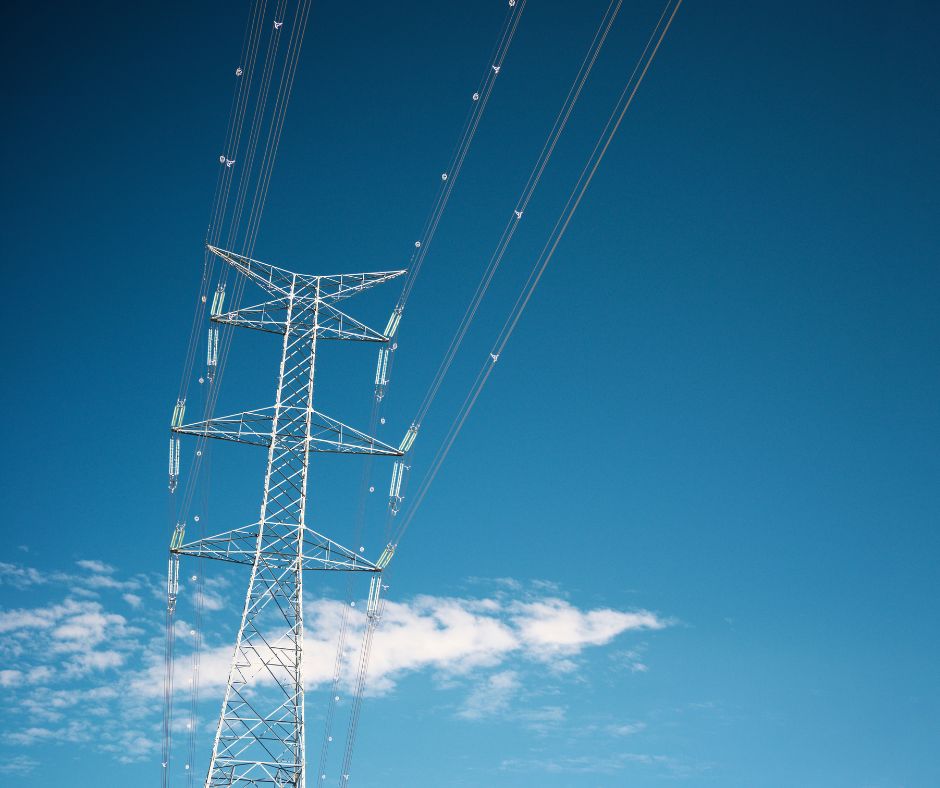
If you have ever looked up at the towering pylons stretching across the countryside and wondered who climbs them, you are not alone.
These structures carry electricity across vast distances, powering homes, schools and businesses. The people responsible for maintaining them are known as overhead linespeople. Their role is one of the most unique, physically demanding and rewarding careers in the energy sector.
For anyone who enjoys working outdoors, thrives on practical challenges and is not afraid of heights, this could be the career for you. But what does this role entail exactly? An overhead linesperson is responsible for installing, maintaining and repairing the high voltage power lines that sit on top of pylons and poles. These lines are a crucial part of the UK’s electricity network. They ensure power is transported safely and efficiently from where it is generated to where it is needed.
A typical day might involve travelling to remote locations, inspecting equipment, replacing worn components or carrying out emergency repairs after storms or damage. Much of the work takes place at height, sometimes over 50 metres above the ground, and often in challenging weather conditions.
Working safely at height
Safety is at the heart of everything. Linespeople follow strict procedures and wear specialist protective equipment. They often work in teams, communicating clearly and supporting one another to complete tasks safely.
This is certainly not a desk-based job. It is hands-on, active and ever-changing. One day you could be working in the rural countryside, the next in a busy urban area. No two days are the same.
Skills and qualities you will need
The role calls for a combination of physical, technical and personal skills. A head for heights is essential, as much of the work takes place high above the ground on pylons, often in exposed conditions where confidence and composure are key.
It is a physically demanding role too. It involves climbing, lifting equipment and working outdoors in all weathers, so good fitness and resilience are important. Alongside this, strong problem-solving skills are needed to assess faults and respond quickly with safe, effective solutions.

It is also a highly team-focused job, meaning clear communication and the ability to work closely with others are vital. Attention to detail plays a crucial part, as even small issues can escalate if missed, while a consistent commitment to safety underpins everything. A focus on safety ensures risks are managed and procedures are followed at all times.
College courses
There is no single route into becoming an overhead linesperson. This can makes the career accessible to a wide range of students.
Many students start with a college course related to the field. Relevant courses might include a Level 2 Diploma in electrical installation or a Level 2 Diploma in engineering.
These courses are available to study at Wirral Met College. They can provide a solid foundation in technical knowledge and practical skills, helping you understand how electrical systems work and how to use tools safely.
Ian Evans, head of engineering at Wirral Met College, shared:
“Careers like overhead lines work require a strong foundation of technical knowledge, practical skills and a commitment to safety. At Wirral Met College, our courses in electrical installation, engineering or construction are designed to give learners exactly that. Students develop hands-on experience, problem-solving abilities and an understanding of industry standards, all of which are essential for progressing into infrastructure and energy roles.
“We work closely with employers to ensure our curriculum reflects real-world demands, helping learners build the confidence and competence needed to move into apprenticeships or further specialist training. For those considering a career as an overhead linesperson, these courses provide a valuable first step, opening the door to a sector that plays a vital role in powering homes, businesses and communities.”
Apprenticeships
Apprenticeships are also one of the most popular and direct routes into this career. Energy companies and contractors offer a range of overhead line or power network apprenticeships.
As an apprentice, you will earn a wage while learning on the job. You will split your time between practical work and classroom-based study, gaining recognised qualifications along the way.
Apprenticeships typically last between two and four years and can lead directly to a full-time role. This route is ideal if you prefer learning by doing and want to start working straight after school or college. You can search for relevant apprenticeships at www.gov.uk/apply-apprenticeship.
University study
While a degree is not essential for becoming an overhead linesperson, some students choose to study subjects such as electrical engineering or power engineering at university. For example, Liverpool John Moores University offers a BEng (Hons) in electrical and electronic engineering.
A degree may open up additional opportunities later in your career. This may include moving into supervisory, design or management roles within the energy sector.
However, some people enter the role after gaining experience in related fields, such as construction, telecommunications or general electrical work. Transferable skills from these areas can be highly valuable.
Training on the job
Once in the role, you will receive specialist training to prepare you for working at height and handling high-voltage equipment.
This includes climbing and rescue training, safety procedures and risk assessment, use of personal protective equipment, technical training on electrical systems, and first aid and emergency response.
Training is ongoing throughout your career, as technology evolves and safety standards are updated.
Ultimately, this is a career that isn’t confined to an office. You will spend most of your time outdoors, often in remote or hard-to-reach locations.

Working hours can vary. While many roles follow a standard working day, there may be times when you are called out to deal with emergencies, such as power outages caused by severe weather.
You may also need to travel, sometimes staying away from home for short periods, depending on the location of the work.
Career prospects and future demand
While the job may be challenging, especially in cold, wet or windy conditions, many linespeople enjoy the sense of freedom that comes with working outdoors and the satisfaction of completing physically demanding tasks.
As the UK’s energy network continues to evolve, with increasing demand for renewable energy and modern infrastructure, skilled workers, such as overhead linespeople, will continue to be in high demand.
For students looking for a career that combines adventure, responsibility and real-world impact, this is an opportunity worth considering.
Climbing pylons may not be a typical nine-to-five job, but for the right person, it could be the perfect path to a fulfilling and exciting future.