
New sun safety resources launched to support primary schools
 by Educate Magazine March 18, 2026 · Primary School News
With primary schools being encouraged to strengthen pupil understanding of UV exposure during outdoor play, sport and school activities, the Melanoma Fund has launched Sunguarding® Schools. This is a free, ready‑to‑teach KS2 PSHE lesson designed to embed sun safety as an essential life skill.
The PSHE Association has Quality Marked the resource, and it arrives at a crucial time. Schools are reporting more frequent periods of high UV levels during the school day, and health experts warn that a lack of early education could contribute to rising skin cancer rates in future generations.
A practical, ready‑made lesson
The resource is available for download via TES and designed for immediate classroom use. The lesson includes a full slide deck, teacher notes and interactive activities. This will enable schools to build sun safety as a practical life skill rather than a one-off awareness message.
Unlike traditional one‑off summer reminders, the resource aims to build lasting understanding, helping pupils learn when they are most at risk, how UV works, and what practical steps they can take to keep themselves safe.
Thoughts from the CEO
Michelle Baker, CEO of the Melanoma Fund, believes that primary schools must teach sun safety as a practical life skill. Schools should be able to quickly and confidently deliver sun safety within the PSHE curriculum.
Why should primary schools teach sun safety as a practical life skill?
“Teachers often remind pupils, ‘It’s hot today, make sure you’re wearing sunscreen‘. The intention is right, but it reveals how we misunderstand sun safety. Sunburn also actually happens on cool or cloudy days, and children are quick to notice whether the adults giving the advice are protecting their own skin.
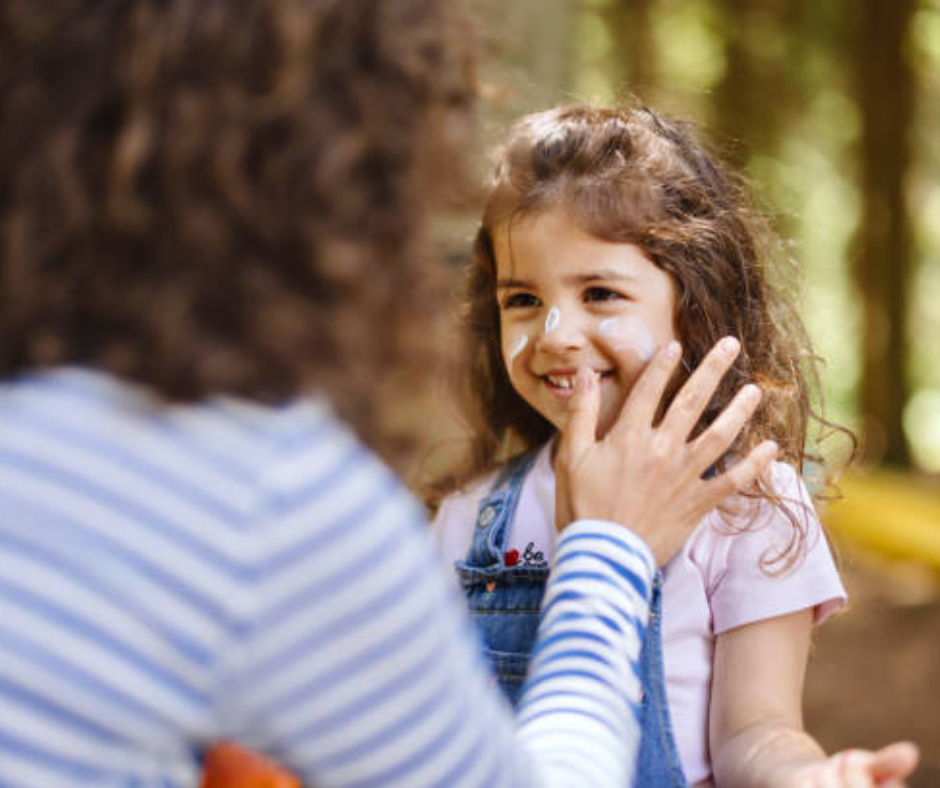
“Sunscreen is frequently applied to children hurriedly by adults rather than learned as a skill they can manage themselves. In that moment it becomes a chore rather than a habit. Children pick up on this attitude. Real behaviour change begins when children understand the risk and know how to protect themselves.”
What does the current gap in pupil sun and heat competence mean for duty of care?
“When children are not taught how to recognise and respond to UV and heat risk, protection relies entirely on adult supervision rather than developing pupil competence. Embedding sun safety education helps close this gap and supports schools in demonstrating a proactive approach to duty of care.”
How can schools quickly and confidently deliver sun safety within the PSHE curriculum?

“The Sunguarding Schools lesson is a new tried-and-tested, ready-to-teach PSHE resource aligned with national curriculum outcomes and Quality Marked by the PSHE Association. It provides teachers with structured guidance, pupil activities and clear explanations of UV and heat risk. Because the lesson is fully prepared and curriculum-aligned, schools can introduce sun safety education quickly and confidently without creating additional workload.”
Expert insight
The materials for Sunguarding Schools were shaped by dermatologist Dr Elizabeth Blakeway-Manning (Dr. E), and oncologist Dr Hugo De La Peña (Dr. H). They warn that early education is critical to reversing rising skin cancer rates.
Educate spoke with these medical experts to gather their insights on the importance of sun safety.
Why is early education about UV exposure so important in reducing long-term skin cancer risk?
Dr. E:
“As 90 per cent of skin cancers are attributable to excess and accumulated UV exposure, consistent habitual sun safety behaviour is the only way to minimise long term skin cancer risk.
“Incorporating the principle of Sunguarding, such as checking the UV Index to ascertain risk, into early education is paramount in ensuring that these concepts become lifelong ‘habits’, just like healthy eating, an active lifestyle and dental hygiene.”
Dr. H:
“Skin cancer is not a disease of the elderly, it’s very much a disease on the rise in the young, and it’s sadly devastating. I see commonly see melanoma in young surfers, golfers, builders and rugby players. Young people in their prime with no risk factors at all, apart from unprotected chronic sun exposure.
“Awareness without action is not enough. We need to see changes in attitudes and behaviour to see skin cancer rates go down, and we need to start by educating children, now.”
What are the most common misconceptions children, or even adults, have about sun exposure and protection?
Dr. E:
“There is a common misconception that harmful UV exposure is only achieved through actively ‘lying on a sunbed’ whilst on holiday.
“The truth is that we accumulate harmful UV exposure simply by being outside in UK from March to October, when the UV level is typically 3+. That means it’s important to actively sun protect during this time – yes even in the UK – by covering exposed skin, seeking shade during the warmest part of the day and wearing SPF30+.
“Another line I hear is ‘I know I’m tanned, but I promise I used SPF50 suncream’. SPF50 blocks 98 per cent of UV rays, therefore if applied appropriately, we should really achieve very minimal in terms of a tan.
“The problem is that many of us don’t apply sunscreen frequently enough or in adequate quantities, thereby not achieving the level of coverage stated on the bottle.”
Dr H:
“These are the things I hear all the time. ‘I am young, it’s fine’. My response is that being young doesn’t make you immune. ‘It’s just a tan’. Tans are skin damage in disguise. Whilst a tan fades, the damage caused by them does not.
“‘I am wearing SPF 50 so I don’t need to reapply’. The common misconception is that SPF50+ protects you for longer, which makes people apply it once and feel they are done for the day. But the difference is tiny between this and SPF30, which means people become complacent. I suggest using SPF30 and reapplying it regularly.”
What simple sun safety habits should children learn and practise?
Dr E:
“Just as young children can learn how to choose healthy foods, keep active and brush their teeth, I believe that they are also capable of learning all the necessary sun safety habits that will arm them with the toolkit to protect themselves throughout their life.
“I have a toddler, and he knows that he needs to apply sun cream to exposed skin when out and about. I teach him to look for the big numbers on sunscreen like SFP50. He knows to cover up and wear a hat when out playing, just like he understands it’s important to wear a coat in winter.”
Dr H:
“We need to promote independence and personal responsibility in our children. Sun protection is a life lesson, just like learning to swim. If you don’t learn to swim you will drown. This is the same with the sun, if you don’t look after your skin, you will pay the price. Melanoma is just not worth it for the sake of having a tan.”